The Brothers Karamazov by Fyodor Dostoyevsky, Fyodor Dostoyevsky Book Summary
Discover the profound themes and complex characters of Fyodor Dostoyevsky's "The Brothers Karamazov." Explore our comprehensive book summary, key insights, and an in-depth review that unravels the philosophical and moral dilemmas within this classic novel. Dive into the world of the Karamazov brothers and enhance your understanding of this literary masterpiece.
The Brothers Karamazov Book Summary
The Brothers Karamazov by Fyodor Dostoyevsky is a profound exploration of faith, doubt, and the complexities of human nature. This timeless novel delves into the lives of the Karamazov brothers, unraveling themes of morality, free will, and redemption. In this summary and review, we uncover key insights that reveal why Dostoyevsky’s masterpiece remains a cornerstone of literary and philosophical thought, captivating readers with its intense psychological depth and ethical dilemmas.
Discover deeper insights and a comprehensive analysis by exploring the Play It As It Lays Book Summary, Review & Key Insights to enhance your understanding and appreciation of this compelling novel.
The Brothers Karamazov by Fyodor Dostoyevsky, Fyodor Dostoyevsky - Introduction
I had no idea a novel could make me question something as fundamental as faith and doubt in such a raw, personal way until I read The Brothers Karamazov by Fyodor Dostoyevsky. What surprised me most was how Dostoyevsky doesn’t just tell you about these big philosophical debates—he lives them through his characters, making you feel their struggles and contradictions as if they were your own. I picked up this classic because I was curious about Russian literature and its reputation for diving deep into the human psyche, but I ended up with way more than just a history lesson or a cultural snapshot.
If you’re someone who enjoys philosophy, complex characters, and stories that don’t shy away from the messy parts of life—like religion, morality, and family drama—this book will grip you. It’s a hefty read at 796 pages, so expect to spend a good chunk of time with it, but it’s worth every minute. Dostoyevsky’s exploration of faith and doubt, love and hate, and justice and forgiveness feels incredibly relevant, even though it’s set in 19th-century Russia.
So, if you’re into classic literature, or just want a novel that challenges you to think and feel deeply, this one’s for you. It’s not just a story; it’s an experience that stays with you long after you turn the last page. Trust me, you’ll come away seeing the world—and yourself—a little differently.
What is The Brothers Karamazov About?
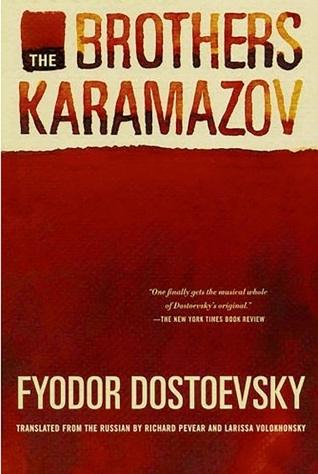
The Brothers Karamazov by Fyodor Dostoyevsky explores the moral struggles of the Karamazov brothers as they grapple with faith, free will, and the nature of evil amidst familial conflict. The book's main message emphasizes the complexity of human existence and the profound impact of personal choices on morality and spirituality. Key concepts include the conflict between faith and doubt, the exploration of existentialism through individual responsibility, and the deep psychological insights into human relationships and the quest for meaning in a chaotic world.
About Book Author - Fyodor Dostoyevsky, Fyodor Dostoyevsky
Ladies and gentlemen, it’s my pleasure to introduce Fyodor Dostoyevsky, the brilliant mind behind "The Brothers Karamazov." What's interesting about Fyodor Dostoyevsky is that he didn't start out as a writer; he was initially an engineer, but a series of personal and financial struggles, including a near-execution, propelled him into the depths of human psychology and morality. This tumultuous journey shaped his understanding of the human condition, leading to masterpieces like "Crime and Punishment" and "The Idiot."
One fascinating detail not commonly known is that Dostoyevsky had a deep fascination with gambling, which influenced his writing and life choices. His experiences with addiction and loss infused his characters with a raw authenticity that resonates deeply with readers. Fyodor's unique ability to explore the complexities of faith, doubt, and redemption makes him exceptionally qualified to delve into the themes presented in "The Brothers Karamazov." His life experiences and philosophical inquiries invite us to reflect on our own moral dilemmas, making his insights timeless and profoundly impactful.
More Books To Find
The Brothers Karamazov - Book Overview
It’s about the struggle between faith and doubt, good and evil, and the complexities of human nature. At its core, it's a deep dive into the moral dilemmas faced by the Karamazov brothers, each representing different philosophies and approaches to life.
Dostoyevsky wrote it not just to explore these philosophical questions but to grapple with his own crises of faith and the turbulent social changes happening in Russia at the time. He wanted to confront the reader with uncomfortable truths about morality and existence.
What sets it apart from other books on similar themes is its intricate character development and the way it intertwines personal stories with broader existential questions. It feels less like a philosophical treatise and more like a conversation you’d have over a drink with a friend, full of raw emotion and real-life dilemmas.
One story that really stuck with me is the parable of the Grand Inquisitor, where a powerful figure confronts Christ, arguing that humanity is too weak to handle true freedom. It’s haunting because it raises questions about authority, freedom, and what it means to truly love and be free. It left me reflecting on how often we might prefer comfort over the burden of choice, which is a pretty relevant dilemma even today.
Key Insights of The Brothers Karamazov
The Brothers Karamazov presents a profound exploration of morality, faith, and the human condition through the lives of the Karamazov brothers.
1. The Conflict of Faith and Doubt: The character of Ivan Karamazov epitomizes the struggle between belief in God and the existence of evil. His famous "Rebellion" chapter raises questions about the morality of a God who allows suffering, especially in the innocent.
2. Free Will vs. Determinism: Dostoyevsky delves into the complexity of free will, suggesting that true morality stems from the ability to choose between good and evil. The brothers represent different responses to this dilemma, with Alyosha embodying faith and Dmitri grappling with his passions.
3. The Nature of Love: The novel emphasizes the transformative power of love. Alyosha’s character serves as a beacon of compassion, illustrating how genuine love can lead to redemption and spiritual growth, contrasting sharply with the selfishness exhibited by other characters.
4. The Role of Suffering: Suffering is depicted as an integral part of the human experience. Dostoyevsky suggests that through suffering, individuals can achieve a deeper understanding of themselves and their relationship with others, ultimately leading to spiritual enlightenment.
5. The Search for Meaning: Each brother’s journey reflects a quest for meaning in a chaotic world. The interplay between their differing philosophies underscores the existential questions that resonate throughout the narrative, inviting readers to reflect on their own beliefs and values.
These insights collectively illustrate Dostoyevsky's intricate portrayal of human nature and the moral complexities that define our existence.
Who Should Read This Book
"The Brothers Karamazov" is essential reading for anyone interested in deep philosophical and ethical questions. It appeals to those who enjoy exploring the complexities of human nature, morality, and faith. Readers who appreciate rich character development and intricate storytelling will find Dostoyevsky's work captivating. Additionally, students of psychology, theology, and literature will benefit from the book's profound insights into existential dilemmas and the human condition. Ultimately, anyone seeking to understand the intricacies of love, guilt, and redemption will find this novel a compelling and thought-provoking experience.
Read If You Are
- seeking a deep exploration of moral and philosophical questions
- interested in complex character development and psychological insights
- looking for a profound narrative that challenges beliefs about faith, free will, and human nature
Skip If You Are
- seeking light, easy reads without deep philosophical themes
- uncomfortable with complex character studies and moral dilemmas
- not interested in exploring existential questions and human psychology
Important Takeaways from this Book
-
Reflect on your values: Take 10 minutes today to write down your core beliefs and values. Understanding what truly matters to you can guide your decisions and actions, leading to a more fulfilling life. Consider what influences your values and whether they align with your current lifestyle.
-
Practice empathy: Engage in a conversation with someone whose perspective differs from yours. Listen actively without interrupting. This fosters understanding and compassion, helping you build stronger relationships. Remember, empathy can transform conflicts into collaboration.
-
Question your assumptions: Identify one belief you hold strongly and challenge it by researching opposing viewpoints. This practice opens your mind to new ideas and reduces bias, making you more adaptable in a complex world. Be prepared for discomfort; growth often lies outside your comfort zone.
-
Volunteer your time: Dedicate at least one hour this week to a local charity or community service. Helping others not only benefits those in need but also enriches your own life, providing a sense of purpose and connection. Ensure you choose a cause that resonates with you.
-
Embrace uncertainty: Take a small risk today, like trying a new activity or expressing an opinion you usually keep to yourself. Accepting uncertainty can lead to personal growth and resilience. Remember, every great achievement starts with stepping outside your comfort zone.
Book Review
I picked up "The Brothers Karamazov" expecting a dense philosophical treatise, but what I got was an emotional rollercoaster wrapped in profound moral questions. Dostoyevsky's writing style is both intricate and immersive; his characters feel like real people grappling with intense dilemmas. The dialogues are rich and thought-provoking, especially the famous “Grand Inquisitor” chapter, which left me questioning the nature of freedom and faith.
One of the book's greatest strengths is its character development. Each Karamazov brother represents different philosophical perspectives—Alyosha’s faith, Ivan’s skepticism, and Dmitri’s passionate nature. Their interactions are compelling and often heart-wrenching, showcasing Dostoyevsky’s ability to delve into the human psyche. The pacing, while slow at times, allows for deep reflection, making the emotional stakes feel even higher.
However, I did find certain sections dragged on, particularly the lengthy philosophical discussions that, while insightful, sometimes felt like they interrupted the narrative flow. It could be challenging to stay engaged, especially during the more abstract passages.
Comparatively, I found "The Brothers Karamazov" more rewarding than "Crime and Punishment," as it dives deeper into existential themes and familial dynamics.
Overall, I’d recommend this book to those who appreciate rich character studies and philosophical discussions. If you prefer fast-paced plots or lighter reads, you might find it a bit daunting. But for anyone willing to invest the time, it offers a profound exploration of faith, morality, and the human condition that stays with you long after the last page.
Final Thoughts
If I'm being honest, finishing The Brothers Karamazov left me with a whirlwind of thoughts and emotions. My overall takeaway is that Dostoyevsky dives deep into the complexities of morality, faith, and human nature. It’s a heavy read, but the philosophical debates and character developments are profound. I’d definitely recommend this if you’re someone who enjoys exploring existential themes and can appreciate a slower pace. However, skip this one if you're looking for a light, straightforward narrative or quick entertainment.
The thing that surprised me most was how relatable the characters felt, despite the book being written in the 19th century. Each brother represents different aspects of humanity, and their struggles are timeless. Months from now, I think the moral dilemmas and the question of free will will stick with me the most.
As for rereading, I’d probably lean towards recommending the full book rather than just a summary. There’s so much depth that can be lost in a quick overview. Personally, my reading experience was intense but rewarding; I found myself reflecting on the themes long after I closed the book. It’s definitely a journey worth taking.
Frequently Asked Questions
How long does it take to read The Brothers Karamazov?
The average reading speed is about 30-40 pages per hour. Therefore, it would take approximately 20-27 hours to read The Brothers Karamazov, totaling around 2-3 weeks if you read for an hour each day. Reading pace may vary based on individual comprehension and engagement.
What makes "The Brothers Karamazov" different from other books in this genre?
The Brothers Karamazov stands out for its profound exploration of moral and philosophical dilemmas, complex character development, and deep psychological insights. Dostoyevsky masterfully intertwines themes of faith, free will, and the human condition, offering readers a unique, thought-provoking experience that transcends typical narratives in the genre.
Who is the target audience for The Brothers Karamazov
The target audience for "The Brothers Karamazov" includes readers interested in philosophical and psychological exploration, fans of classic literature, and those seeking deep moral and ethical discussions. It appeals to individuals who appreciate complex characters and existential themes, as well as students and scholars of literature and philosophy.
Are there any criticisms or limitations of The Brothers Karamazov
Critics argue that "The Brothers Karamazov" can be overly philosophical and dense, making it challenging for some readers. Others point out its complex narrative structure and character development, which may lead to confusion. Additionally, its exploration of existential themes might not resonate with everyone.
What is the main theme of The Brothers Karamazov by Fyodor Dostoyevsky, Fyodor Dostoyevsky
The main theme of "The Brothers Karamazov" revolves around the struggle between faith and doubt, the nature of free will, and moral responsibility. It explores profound philosophical questions about God, ethics, and the human condition, ultimately reflecting on the complexities of love and redemption.
Tags:
Fyodor Dostoyevsky, The Brothers Karamazov, The Brothers Karamazov Book, The Brothers Karamazov Book Rating, The Brothers Karamazov Book Review, The Brothers Karamazov Book Summary, The Brothers Karamazov By Fyodor Dostoyevsky, The Brothers Karamazov Description, The Brothers Karamazov Short Summary
Michel Fisher
Michel Fisher is a passionate fiction enthusiast and book blogger who writes about emotional reads, character-driven stories, and contemporary romance authors that captivate hearts and minds.
The Brothers Karamazov
Book Overview
Description
The Brothers Karamazov is a murder mystery, a courtroom drama, and an exploration of erotic rivalry in a series of triangular love affairs involving the “wicked and sentimental” Fyodor Pavlovich Karamazov and his three sons―the impulsive and sensual Dmitri; the coldly rational Ivan; and the healthy, red-cheeked young novice Alyosha. Through the gripping events of their story, Dostoevsky portrays the whole of Russian life, is social and spiritual striving, in what was both the golden age and a tragic turning point in Russian culture.This award-winning translation by Richard Pevear and Larissa Volokhonsky remains true to the verbalinventiveness of Dostoevsky’s prose, preserving the multiple voices, the humor, and the surprising modernity of the original. It is an achievement worthy of Dostoevsky’s last and greatest novel.
Key Points
Moral struggles define human existence
Characters
Dmitri Fyodorovich Karamazov, Ivan Fyodorovich Karamazov, Alexei Fyodorovich Karamazov, Pavel Smerdyakov, Agrafena Alexandrovna Svetlova, Katerina Ivanovna Verkhovtseva, Fyodor Pavlovich Karamazov, Father Zosima, the Elder, Ilyusha, Nikolai Krassotkin
Publisher
Farrar, Straus and Giroux
First Publish Date
11/18/79