A Long Way Gone: Memoirs of a Boy Soldier by Ishmael Beah Book Summary
Discover a comprehensive summary and key insights of "A Long Way Gone: Memoirs of a Boy Soldier" by Ishmael Beah. Explore the harrowing journey of a child soldier, the impact of war, and the power of resilience. Read our in-depth review to understand the profound themes and lessons from this powerful memoir.
A Long Way Gone: Memoirs of a Boy Soldier Book Summary
Ishmael Beah's haunting memoir chronicles his transformation from an innocent 12-year-old boy into a child soldier during Sierra Leone's brutal civil war. This powerful narrative exposes the devastating reality of how conflict destroys childhood, forcing young minds to commit unthinkable acts of violence while struggling to maintain their humanity. Through raw, unflinching prose, Beah reveals the psychological trauma of war and his remarkable journey toward rehabilitation and healing. His story serves as both a testament to human resilience and a urgent call to protect children from the horrors of armed conflict, making it essential reading for understanding modern warfare's impact on innocence.
Discover the essential takeaways and in-depth analysis in the Miracle Creek Book Summary, Review & Key Insights to deepen your understanding and enhance your reading experience.
A Long Way Gone: Memoirs of a Boy Soldier by Ishmael Beah - Introduction
I had no idea that a child could be both a victim and a soldier, forced into violence yet still holding onto fragments of his humanity. That’s the first thing that hit me when I read A Long Way Gone: Memoirs of a Boy Soldier by Ishmael Beah. It’s a memoir that dives into the brutal reality of child soldiers in Sierra Leone, but what surprised me most was how Ishmael’s story isn’t just about war—it’s about survival, loss, and the struggle to reclaim your identity after everything falls apart.
I picked up this book initially because I wanted to understand more about conflicts in Africa beyond the headlines. I thought I’d get a dry history lesson, but instead, I found myself deeply connected to Ishmael’s personal journey. It’s nonfiction, yes, but it reads with the emotional pull of a gripping story.
If you’re someone who’s curious about history but also cares about the human side of things—maybe you’ve studied war or just want to get a real sense of resilience and hope—this book will hit home. It’s perfect for anyone who wants to see the world through a different lens, especially if you’re interested in biography, war, or African history.
At 229 pages, it’s not a huge time commitment—probably a few evenings or a weekend—yet it leaves a lasting impact. Honestly, it made me rethink what it means to be a child in war and how healing is possible even after unimaginable trauma. If you want a powerful, eye-opening read, I really think you should give this one a shot.
What is A Long Way Gone: Memoirs of a Boy Soldier About?
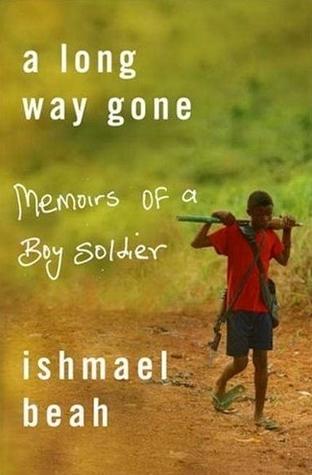
"A Long Way Gone: Memoirs of a Boy Soldier" by Ishmael Beah recounts the harrowing journey of a young boy who is forcibly recruited as a soldier during the civil war in Sierra Leone. The book's main message highlights the devastating impact of war on children and the struggle for redemption and healing. Key concepts include the loss of innocence, the psychological trauma inflicted by violence, and the importance of resilience and hope in overcoming adversity. Beah's story serves as a powerful reminder of the human capacity for survival and transformation.
About Book Author - Ishmael Beah
Our next guest is someone whose story is not just written, but lived with an intensity few can imagine. Ishmael Beah didn't start out as an author; his journey to the page began in the devastating crucible of the Sierra Leone Civil War. It was this profound, personal experience – being forcibly turned into a child soldier – that became the unflinching core of his memoir, A Long Way Gone.
What's interesting about Ishmael Beah, beyond the harrowing events he's documented, is his deep, early love for rap music and Shakespeare, a passion for storytelling and rhythm that he clung to even in the darkest of times and which undoubtedly shaped his powerful voice.
His understanding of conflict and its aftermath isn't academic. He speaks from a place of raw authenticity, having navigated the unimaginable trauma of war and the arduous path to healing and rebuilding a life. This firsthand experience, this resilience, is what gives his words such weight and makes his novels, Radiance of Tomorrow and Little Family, such compelling explorations of the human spirit's capacity to endure and find hope. He is uniquely qualified because he has walked that long way himself.
More Books To Find
A Long Way Gone: Memoirs of a Boy Soldier - Book Overview
It's a heartbreaking yet powerful memoir about Ishmael Beah's experiences as a child soldier in Sierra Leone during the civil war. He tells his story of being forced into combat at a young age, losing his family, and then struggling to regain his humanity.
He wrote it not just to share his story but to shed light on the impact of war on children and the importance of healing and redemption. Beah wants us to understand that these horrors aren’t just distant news stories; they’re real, ongoing tragedies that affect countless lives.
What sets this book apart from others on the same topic is its raw, personal narrative. Many books focus on statistics or broader political analyses, but Beah dives deep into his emotional journey. You feel his pain, confusion, and eventual hope in a way that’s incredibly intimate.
One specific story that stuck with me was when he describes the moment he first had to kill someone. It wasn’t just a brutal act; it shattered his innocence and marked a turning point in his life. The way he captures the internal conflict and the loss of his childhood is haunting and makes you reflect on the broader implications of war.
Key Insights of A Long Way Gone: Memoirs of a Boy Soldier
The impact of war on childhood: Ishmael Beah’s memoir illustrates the devastating effects of war on young lives. The loss of innocence and the transformation from a child to a soldier highlight the harsh realities faced by many children in conflict zones.
Desensitization to violence: Beah recounts how he and other child soldiers became desensitized to violence. The brutal training and experiences led to a numbing of emotions, showcasing how war can strip away humanity and compassion.
The struggle for identity: Throughout the memoir, Beah grapples with his identity after being forced into a violent lifestyle. His journey reflects a deep internal conflict between the boy he was and the soldier he became, emphasizing the struggle many face in reconciling their past with their present.
The power of storytelling: Beah uses storytelling as a means of healing and understanding. By sharing his experiences, he not only seeks to raise awareness about the plight of child soldiers but also finds a way to reclaim his voice and humanity.
Hope and resilience: Despite the harrowing experiences, Beah’s story ultimately conveys a message of hope. His journey towards recovery and the support he receives from others depict the resilience of the human spirit, illustrating that healing is possible even after the most traumatic experiences.
Who Should Read This Book
"A Long Way Gone: Memoirs of a Boy Soldier" by Ishmael Beah is essential reading for anyone interested in understanding the harrowing realities of war and its impact on children. It appeals to educators, social workers, and psychologists who seek insights into trauma and resilience. Additionally, it resonates with activists and human rights advocates aiming to raise awareness about child soldiers and the effects of conflict. Readers who appreciate powerful narratives of survival and redemption will find Beah's story both poignant and inspiring, making it a compelling choice for those looking to deepen their understanding of global issues.
Read If You Are
- interested in understanding the impact of war on children and the complexities of child soldiers
- seeking a powerful personal narrative that highlights resilience and the human spirit
- passionate about global issues and the importance of humanitarian efforts in conflict zones
Skip If You Are
- looking for lighthearted or entertaining reading material
- uncomfortable with graphic depictions of violence and trauma
- seeking a straightforward narrative without complex emotional themes
Important Takeaways from this Book
-
Reflect on Your Story: Take 10 minutes today to write down a significant experience in your life that shaped who you are. This matters because understanding your past can empower you to navigate your present and future with clarity. No prerequisites needed; just a quiet space and a pen.
-
Practice Empathy: Reach out to someone in your life and ask them about a challenge they’re facing. Listen actively without interrupting. This builds connection and understanding, fostering a supportive environment. No special skills required; just genuine curiosity and an open heart.
-
Set a Personal Goal: Identify one small goal you want to achieve this week, whether it’s reading a book or exercising. Write it down and break it into daily tasks. This creates a sense of purpose and direction in your life. Ensure you have the time to commit to this goal and be realistic about your expectations.
-
Volunteer Your Time: Find a local organization that supports youth or marginalized communities and commit to volunteering for at least one hour this week. This action matters because it fosters community and helps you contribute positively to society. Research the organization beforehand to ensure it aligns with your values.
-
Create a Support Network: Connect with three friends or family members and share your goals or struggles. Schedule a time to check in with each other weekly. This matters because having a support system can motivate you and provide accountability. Be open and honest about your needs to strengthen these connections.
Book Review
I picked up "A Long Way Gone: Memoirs of a Boy Soldier" by Ishmael Beah expecting a straightforward account of his experiences in Sierra Leone’s civil war, but what I got was so much more. Beah's prose is hauntingly beautiful, blending stark realities with poetic reflections that left me grappling with the weight of his story long after I closed the book.
One of the book's greatest strengths is Beah’s ability to convey the innocence of childhood amidst chaos. For example, his early memories of playing soccer and laughing with friends are so vivid that they contrast painfully with the horrors he later endures. This juxtaposition made the emotional impact hit harder.
However, I felt the pacing could be uneven at times. Certain sections, particularly towards the end, seemed rushed as if Beah was trying to wrap up his narrative too quickly. I would have appreciated a deeper exploration of his healing process post-war, as it felt somewhat glossed over.
In comparison to other memoirs like "The Kite Runner" or "A Thousand Splendid Suns," Beah's account is raw and unfiltered, providing a unique perspective on the effects of war on youth. While those books focus more on familial ties and cultural contexts, Beah's story is a stark reminder of the personal cost of conflict.
Overall, "A Long Way Gone" is a powerful read that I would recommend to anyone interested in understanding the complexities of war and its impact on young lives. However, if you're looking for a light read or a neatly wrapped-up narrative, this might not be for you. It’s a poignant reminder of resilience, but it’s also heavy, so be prepared for an emotional journey.
Final Thoughts
If I'm being honest, finishing A Long Way Gone left me with a heavy heart but also a profound appreciation for resilience. Ishmael Beah's journey from child soldier to survivor is both heartbreaking and inspiring. The thing that surprised me most was the stark contrast between his childhood innocence and the brutal realities he faced; it really puts life into perspective.
I'd definitely recommend this if you're interested in understanding the impact of war on children and want a raw, unfiltered look at survival. However, skip this one if you're looking for a light read or something that glosses over difficult topics. It’s not for the faint of heart.
One thing that will stick with me months from now is Beah's unwavering hope amidst chaos; it’s a powerful reminder of the human spirit. As for rereading it, I think I'd prefer to recommend the full book over just a summary. The depth of emotion and detail in his writing is something you really need to experience firsthand.
Overall, my reading experience was eye-opening. It’s a tough but important read that I think everyone should tackle at least once.
Frequently Asked Questions
How long does it take to read A Long Way Gone: Memoirs of a Boy Soldier?
It typically takes about 6 to 8 hours to read "A Long Way Gone: Memoirs of a Boy Soldier" by Ishmael Beah, depending on your reading speed. With 229 pages, you can enjoy this impactful memoir in just a couple of days.
What makes "A Long Way Gone: Memoirs of a Boy Soldier" different from other books in this genre?
A Long Way Gone stands out due to Ishmael Beah's firsthand account of child soldiering, blending personal narrative with profound reflections on humanity and resilience. Unlike typical war memoirs, it offers an intimate glimpse into the psychological impact of conflict, making it both haunting and deeply moving.
Who is the target audience for A Long Way Gone: Memoirs of a Boy Soldier
The target audience for "A Long Way Gone" includes young adults, educators, and readers interested in memoirs, war experiences, and humanitarian issues. It appeals to those seeking to understand the impact of conflict on youth and the resilience of the human spirit.
Are there any criticisms or limitations of A Long Way Gone: Memoirs of a Boy Soldier
Critics note potential exaggerations in Beah's experiences and question the accuracy of his timeline. Some argue the book may oversimplify complex issues surrounding child soldiers and the Sierra Leone conflict, while others highlight concerns about the portrayal of trauma and its implications for understanding war's impact on youth.
What is the main theme of A Long Way Gone: Memoirs of a Boy Soldier by Ishmael Beah
The main theme of "A Long Way Gone" is the loss of innocence and the brutal realities of war. It explores the impact of conflict on childhood, the struggle for survival, and the journey towards redemption and recovery amidst the horrors of being a child soldier.
Tags:
A Long Way Gone: Memoirs of a Boy Soldier, A Long Way Gone: Memoirs of a Boy Soldier Book, A Long Way Gone: Memoirs of a Boy Soldier Book Rating, A Long Way Gone: Memoirs of a Boy Soldier Book Review, A Long Way Gone: Memoirs of a Boy Soldier Book Summary, A Long Way Gone: Memoirs of a Boy Soldier By Ishmael Beah, A Long Way Gone: Memoirs of a Boy Soldier Description, A Long Way Gone: Memoirs of a Boy Soldier Short Summary, Ishmael Beah
Michel Fisher
Michel Fisher is a passionate fiction enthusiast and book blogger who writes about emotional reads, character-driven stories, and contemporary romance authors that captivate hearts and minds.
A Long Way Gone: Memoirs of a Boy Soldier
Book Overview
Description
The devastating story of war through the eyes of a child soldier. Beah tells how, at the age of twelve, he fled attacking rebels and wandered a land rendered unrecognizable by violence. By thirteen, he’d been picked up by the government army, and became a soldier.My new friends have begun to suspect I haven’t told them the full story of my life.“Why did you leave Sierra Leone?”“Because there is a war.”“You mean, you saw people running around with guns and shooting each other?”“Yes, all the time.”“Cool.”I smile a little.“You should tell us about it sometime.”“Yes, sometime.” This is how wars are fought now: by children, hopped-up on drugs and wielding AK-47s. Children have become soldiers of choice. In the more than fifty conflicts going on worldwide, it is estimated that there are some 300,000 child soldiers. Ishmael Beah used to be one of them. What is war like through the eyes of a child soldier? How does one become a killer? How does one stop? Child soldiers have been profiled by journalists, and novelists have struggled to imagine their lives. But until now, there has not been a first-person account from someone who came through this hell and survived.In A Long Way Gone, Beah, now twenty-five years old, tells a riveting story: how at the age of twelve, he fled attacking rebels and wandered a land rendered unrecognizable by violence. By thirteen, he’d been picked up by the government army, and Beah, at heart a gentle boy, found that he was capable of truly terrible acts. This is a rare and mesmerizing account, told with real literary force and heartbreaking honesty.
Key Points
Childhood lost to war
Characters
Ishmael Beah, Musa, Esther, "Junior" Beah, Talloi, Kanei, Alhaji, Jumah, Moriba, Saidu, Khalilou
Publisher
Sarah Crichton Books
First Publish Date
Awards
ALA Alex Award (2008), Lincoln Award Nominee (2010), NAIBA Book of the Year for Nonfiction (2007), Bill Duthie Booksellers’ Choice Award Nominee (2008)